
All You Need to Know About Power Flushing
If your radiators aren’t heating evenly, your boiler is making unusual noises, or your energy bills are creeping up, your system might benefit from a power flush. Power flushing is part of central heating maintenance and should only be carried out by a qualified engineer. Here’s everything you need to know about power flushing, how…

Why you can trust our content
We understand that the roofing industry can be confusing, with plenty of outdated or misleading information. That’s why we rely only on trusted, proven sources to guide our advice and installations:

At a glance
If your radiators aren’t heating evenly, your boiler is making unusual noises, or your energy bills are creeping up, your system might benefit from a power flush. Power flushing is part of central heating maintenance and should only be carried out by a qualified engineer. Here’s everything you need to know about power flushing, how often this service is needed and how it can restore your heating system’s performance.
What Is Power Flushing?
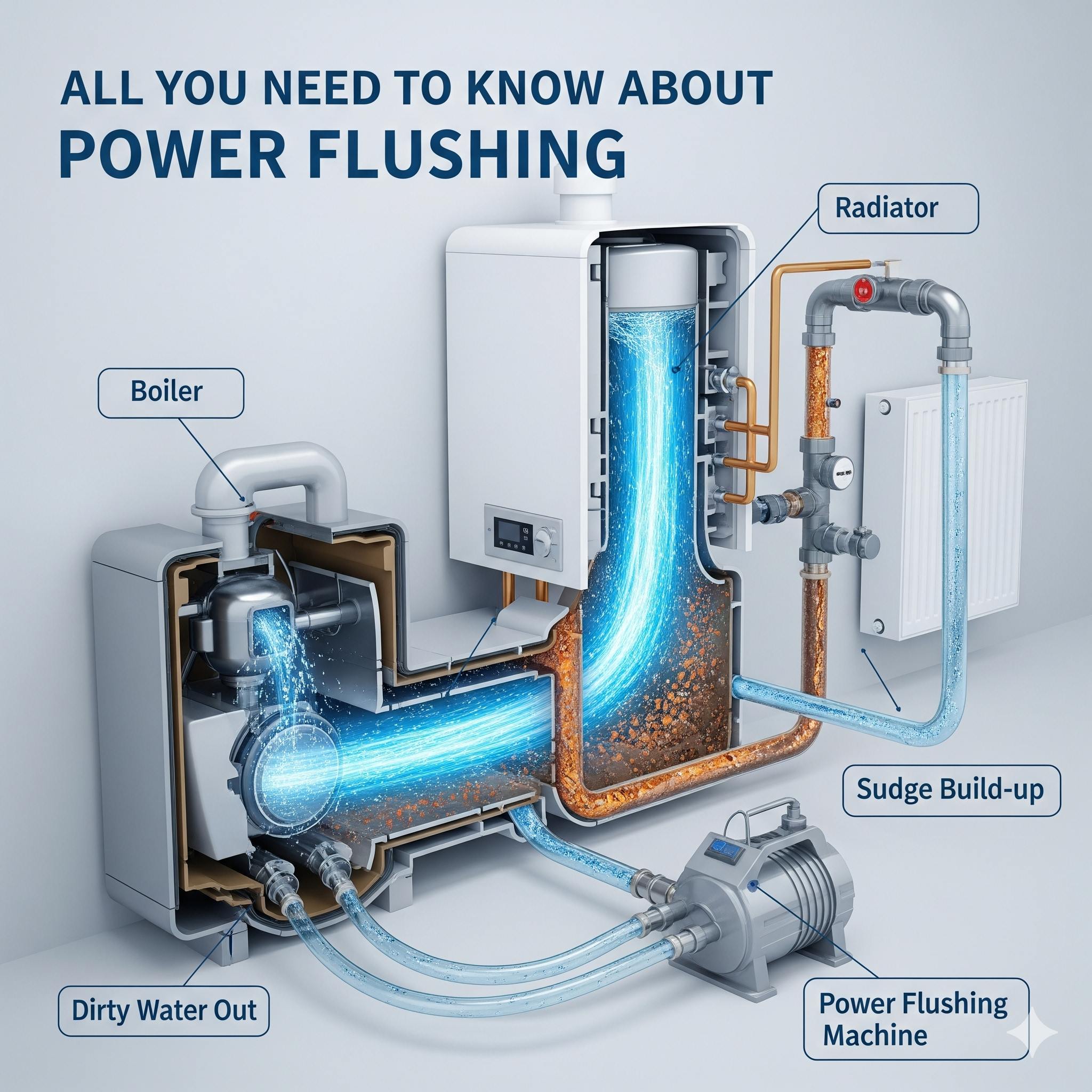
Power flushing is an internal deep-cleaning process designed to remove dirt, rust and scale build-up from the central heating system. Using a powerful pump and a chemical cleaning solution, this method forces water through the system at high velocity to dislodge debris. The result is a clean and more efficient heating system that delivers consistent warmth throughout your home.
Signs Your System Needs a Power Flush
If it’s been several years since your heating was last power flushed, it might be time to schedule one. You may need a power flush if you notice:
- Cold spots on radiators: Even after bleeding, parts of your radiator remain cold.
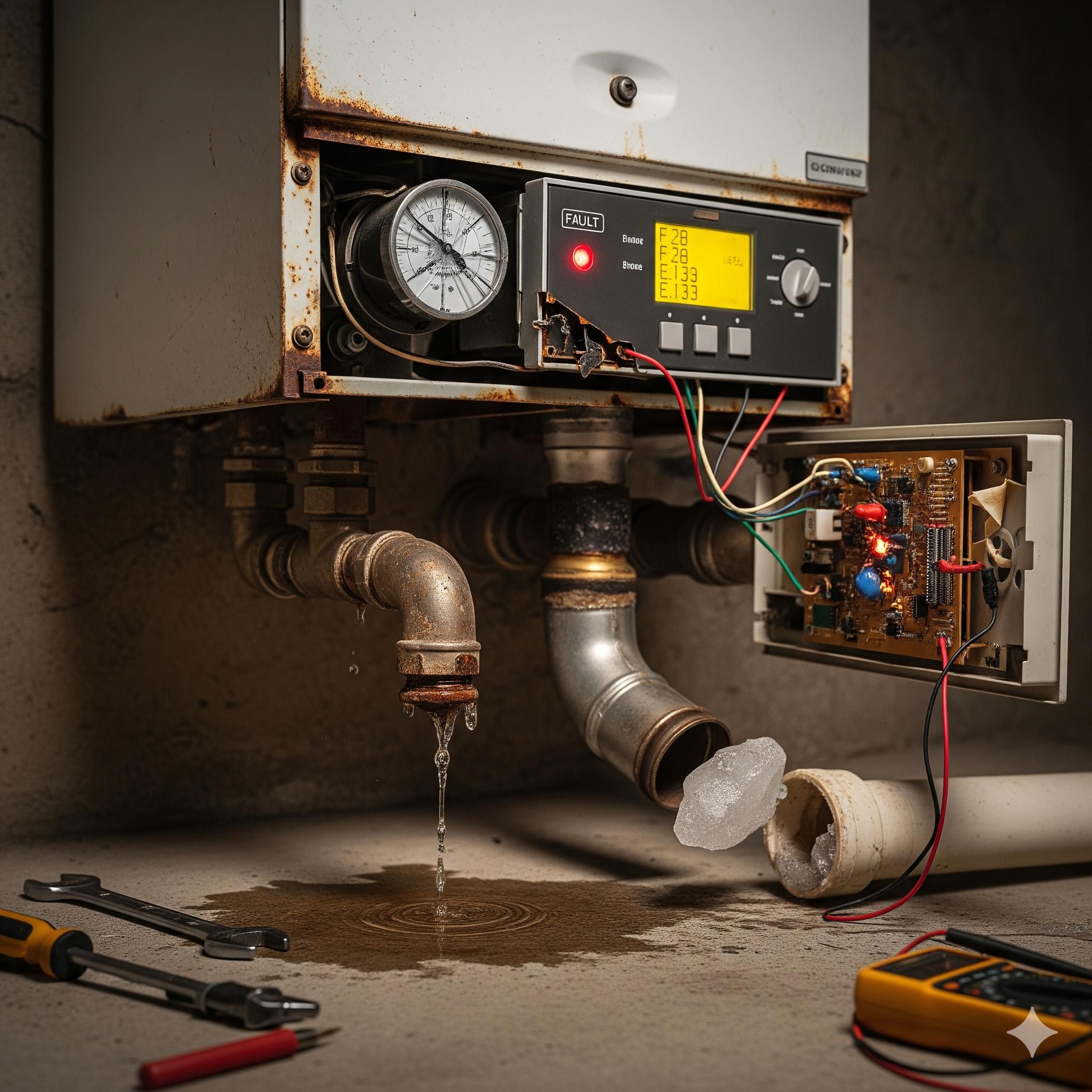
- Noisy boiler or pipes: Gurgling, banging or kettling sounds indicate blockages.
- Slow to heat up: Your system takes longer than usual to reach the desired temperature.
- Frequent breakdowns: Reduced efficiency puts additional strain on the boiler.
- Increased energy bills: An inefficient system consumes more energy to perform.
Benefits of Power Flushing
Once your heating system has been cleaned internally, you will notice some great benefits. These include:
- Improved Efficiency
A clean heating system runs more smoothly, requiring less energy to achieve the same level of warmth. This can lead to noticeable reductions in your energy bills.
- Enhanced Lifespan
By removing harmful debris, power flushing reduces the wear and tear on your boiler and radiators This extends the life of your entire heating system.
- Better Heat Distribution
After a power flush, radiators heat evenly, ensuring every room in your home stays warm and comfortable.
- Reduced Risk of Breakdowns
Clean systems are less likely to suffer from blockages or component failures, meaning fewer costly repairs.
The Power Flushing Process
When completed by a professional heating engineer, a power flush takes around half a day to complete, but this will depend on the size of your property and the number of radiators. Everything that is required is brought along with the engineers, and it is all removed at the end leaving no mess behind.
Assessment – Firstly, a qualified heating engineer inspects your system to determine the extent of sludge build-up and whether power flushing is needed.
Connection – The engineer connects a power flushing pump to your system, often at the pump head or radiator tails.
Flushing – High-pressure water mixed with a chemical cleaning solution is safely circulated through the system to dislodge debris.
Rinsing and Testing – The system is rinsed thoroughly and a corrosion inhibitor is added to prevent future sludge build-up. The contaminated water will be disposed of.
Testing – The system is performance checked and tested thoroughly.
What type of boiler do you currently have?

Combi Boiler

Regular Boiler

System Boiler

Back Boiler
It just takes 30 Seconds
And then you can book a free consultation
How Much Does Power Flushing Cost?
The cost of power flushing varies depending on the size of your system and the number of radiators. Our power flushing service in Essex costs from £850 plus VAT for up to 14 radiators. While this might seem like a significant investment, the improved efficiency and reduced risk of breakdowns can save you money on heating your home in the long run.
Power flushing is usually completed when a new boiler is installed, to make sure the system works efficiently. This power flushing cost may be included with the installation quote.
Is Power Flushing Right for Your System?
If you have spotted any of the early signs, or you just do not know how long it’s been since your heating has been power flushed, it’s worth asking the team here at GJS Plumbing and Heating to complete an assessment. We will give you an honest answer and a quote for your specific system.
Related articles
What type of boiler do you currently have?
Combi Boiler
Regular Boiler
System Boiler
Back Boiler
At a glance
If your radiators aren’t heating evenly, your boiler is making unusual noises, or your energy bills are creeping up, your system might benefit from a power flush. Power flushing is part of central heating maintenance and should only be carried out by a qualified engineer. Here’s everything you need to know about power flushing, how often this service is needed and how it can restore your heating system’s performance.
What Is Power Flushing?
Power flushing is an internal deep-cleaning process designed to remove dirt, rust and scale build-up from the central heating system. Using a powerful pump and a chemical cleaning solution, this method forces water through the system at high velocity to dislodge debris. The result is a clean and more efficient heating system that delivers consistent warmth throughout your home.
Signs Your System Needs a Power Flush
If it’s been several years since your heating was last power flushed, it might be time to schedule one. You may need a power flush if you notice:
- Cold spots on radiators: Even after bleeding, parts of your radiator remain cold.
- Noisy boiler or pipes: Gurgling, banging or kettling sounds indicate blockages.
- Slow to heat up: Your system takes longer than usual to reach the desired temperature.
- Frequent breakdowns: Reduced efficiency puts additional strain on the boiler.
- Increased energy bills: An inefficient system consumes more energy to perform.
Benefits of Power Flushing
Once your heating system has been cleaned internally, you will notice some great benefits. These include:
- Improved Efficiency
A clean heating system runs more smoothly, requiring less energy to achieve the same level of warmth. This can lead to noticeable reductions in your energy bills.
- Enhanced Lifespan
By removing harmful debris, power flushing reduces the wear and tear on your boiler and radiators This extends the life of your entire heating system.
- Better Heat Distribution
After a power flush, radiators heat evenly, ensuring every room in your home stays warm and comfortable.
- Reduced Risk of Breakdowns
Clean systems are less likely to suffer from blockages or component failures, meaning fewer costly repairs.
The Power Flushing Process
When completed by a professional heating engineer, a power flush takes around half a day to complete, but this will depend on the size of your property and the number of radiators. Everything that is required is brought along with the engineers, and it is all removed at the end leaving no mess behind.
Assessment – Firstly, a qualified heating engineer inspects your system to determine the extent of sludge build-up and whether power flushing is needed.
Connection – The engineer connects a power flushing pump to your system, often at the pump head or radiator tails.
Flushing – High-pressure water mixed with a chemical cleaning solution is safely circulated through the system to dislodge debris.
Rinsing and Testing – The system is rinsed thoroughly and a corrosion inhibitor is added to prevent future sludge build-up. The contaminated water will be disposed of.
Testing – The system is performance checked and tested thoroughly.
What type of boiler do you currently have?
Combi Boiler
Regular Boiler
System Boiler
Back Boiler
It just takes 30 Seconds
And then you can book a free consultation
How Much Does Power Flushing Cost?
The cost of power flushing varies depending on the size of your system and the number of radiators. Our power flushing service in Essex costs from £850 plus VAT for up to 14 radiators. While this might seem like a significant investment, the improved efficiency and reduced risk of breakdowns can save you money on heating your home in the long run.
Power flushing is usually completed when a new boiler is installed, to make sure the system works efficiently. This power flushing cost may be included with the installation quote.
Is Power Flushing Right for Your System?
If you have spotted any of the early signs, or you just do not know how long it’s been since your heating has been power flushed, it’s worth asking the team here at GJS Plumbing and Heating to complete an assessment. We will give you an honest answer and a quote for your specific system.